
1Administer stem cells

Stem cells obtained from fat or bone marrow are administered in a way suited to the treatment goal.
Using your own cells is one part of the decision. Understanding what you receive is another.
Explore how each approach works, how quality is assessed and what to ask before treatment.

One key to understanding treatment: the substances cells release
Stem cells play a role in maintaining and repairing tissue. Alongside their potential to replace tissue, researchers are studying how the substances they release interact with surrounding cells.
Stem cells obtained from fat or bone marrow are administered in a way suited to the treatment goal.

Cells release many substances, including exosomes, cytokines and growth factors.
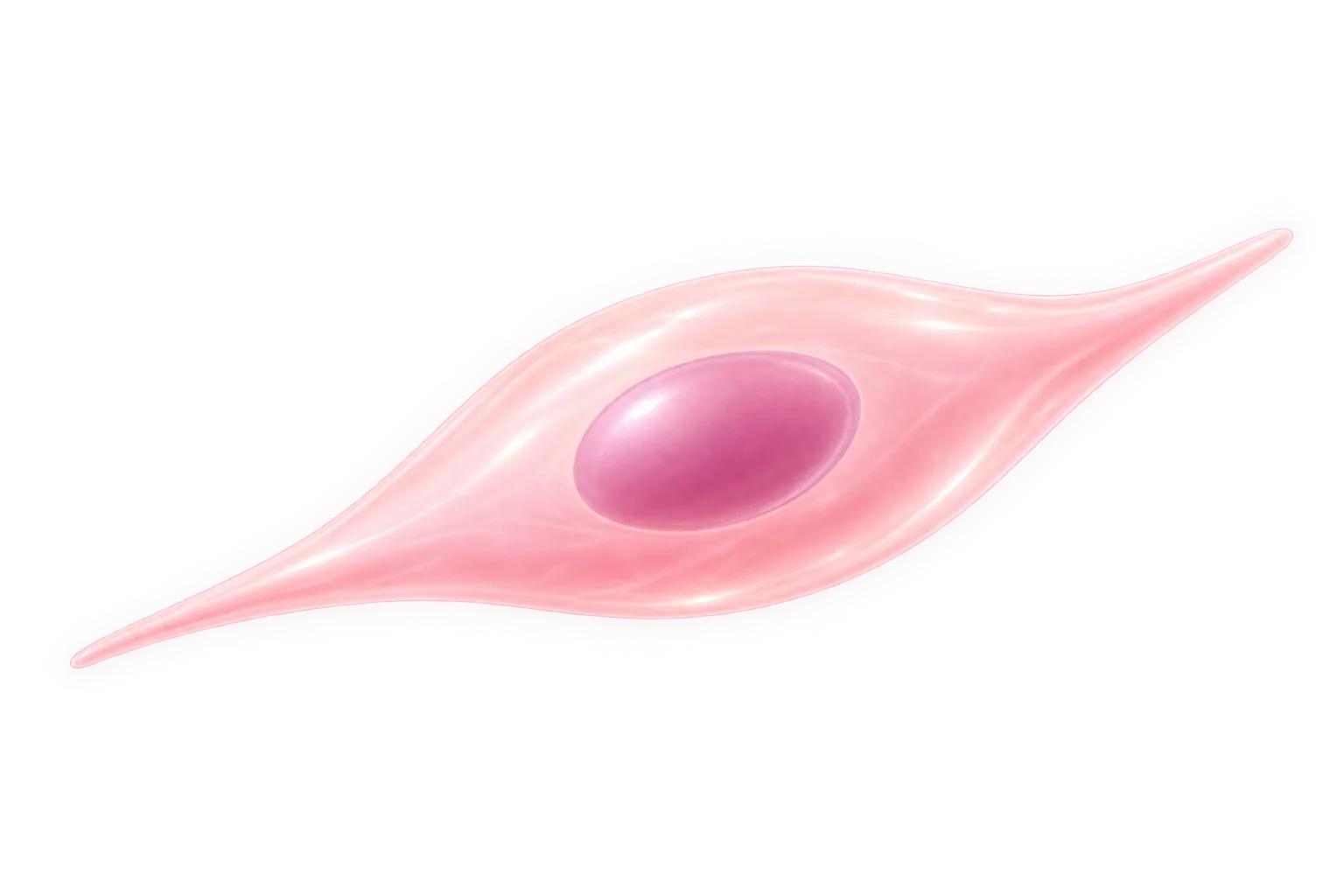
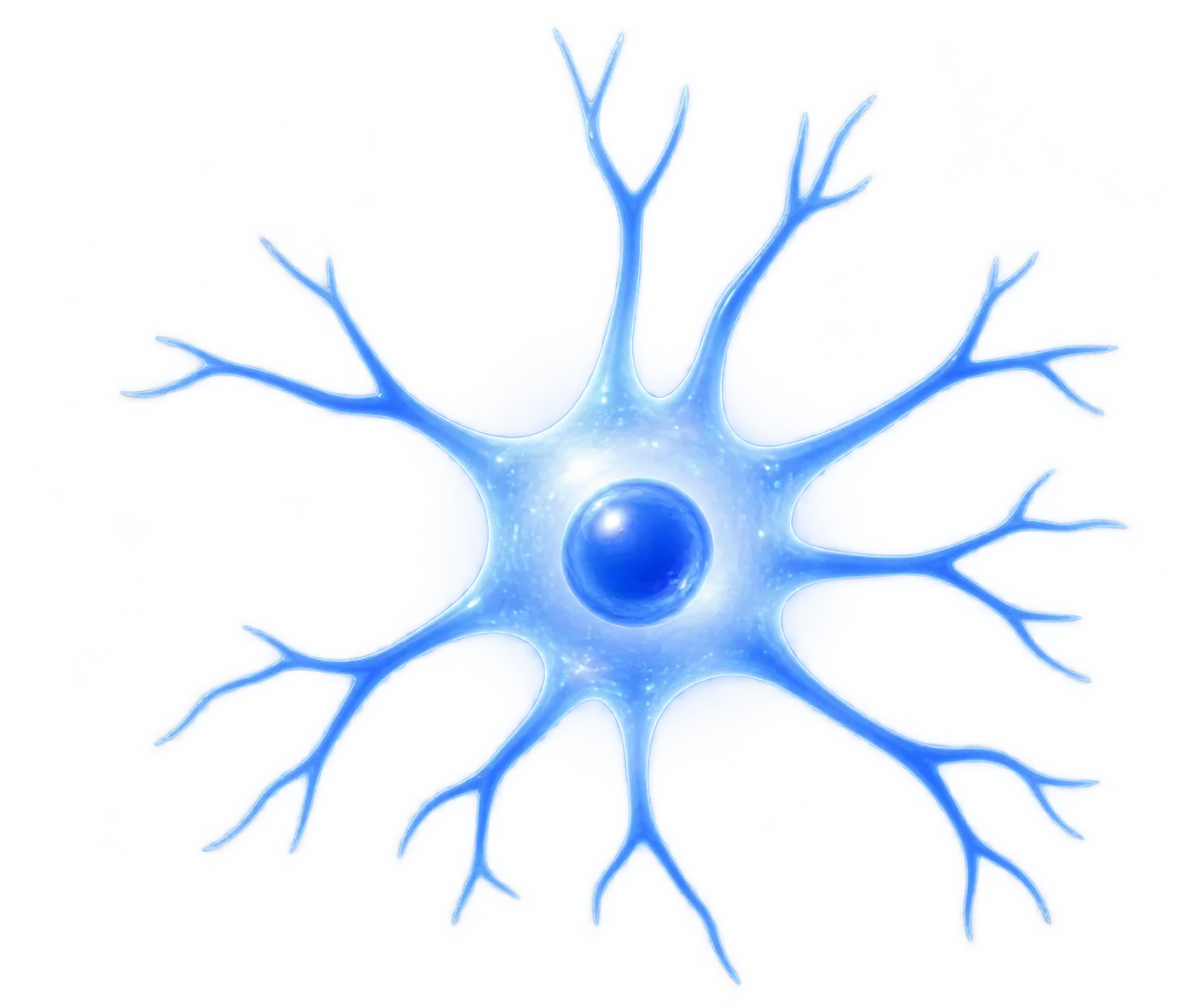
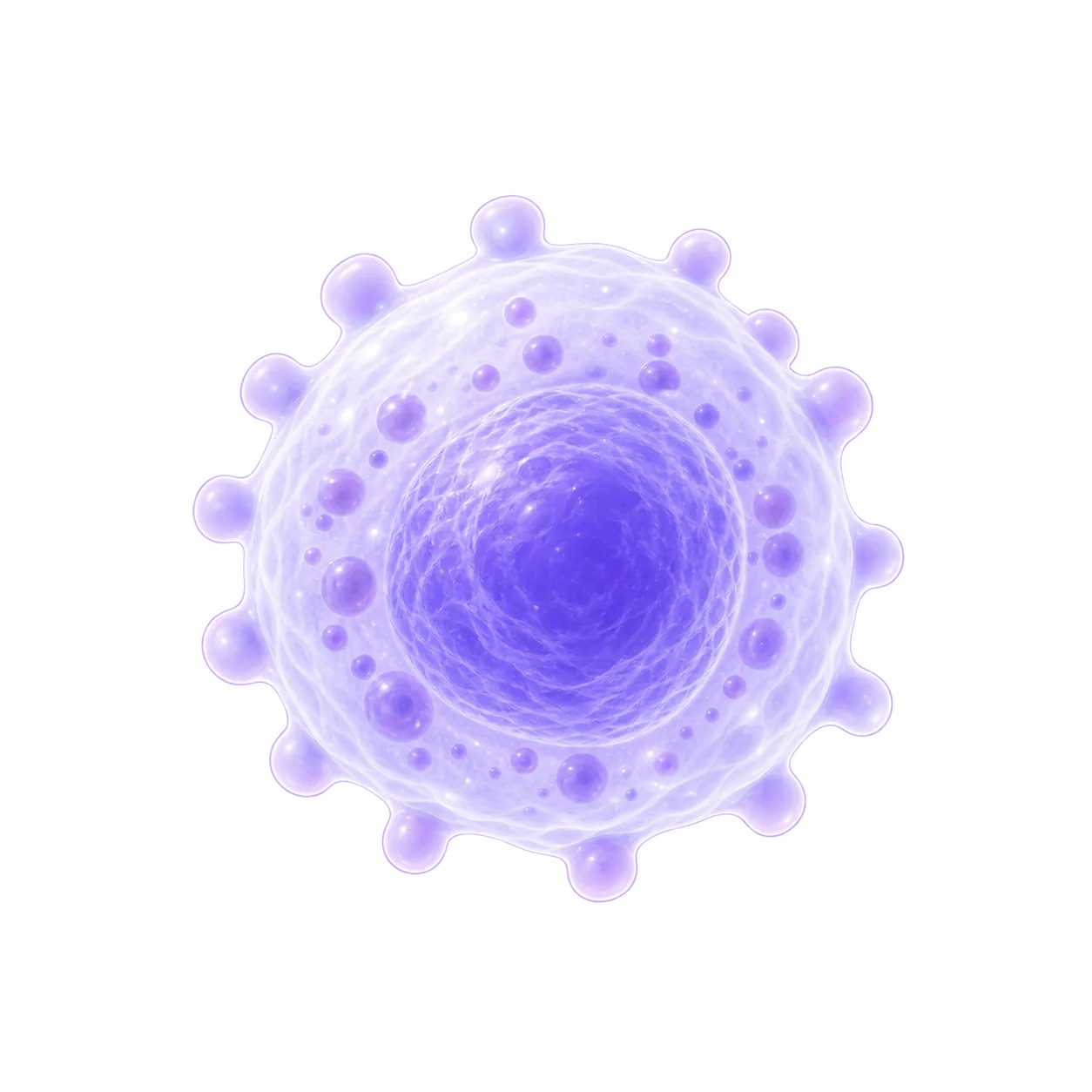
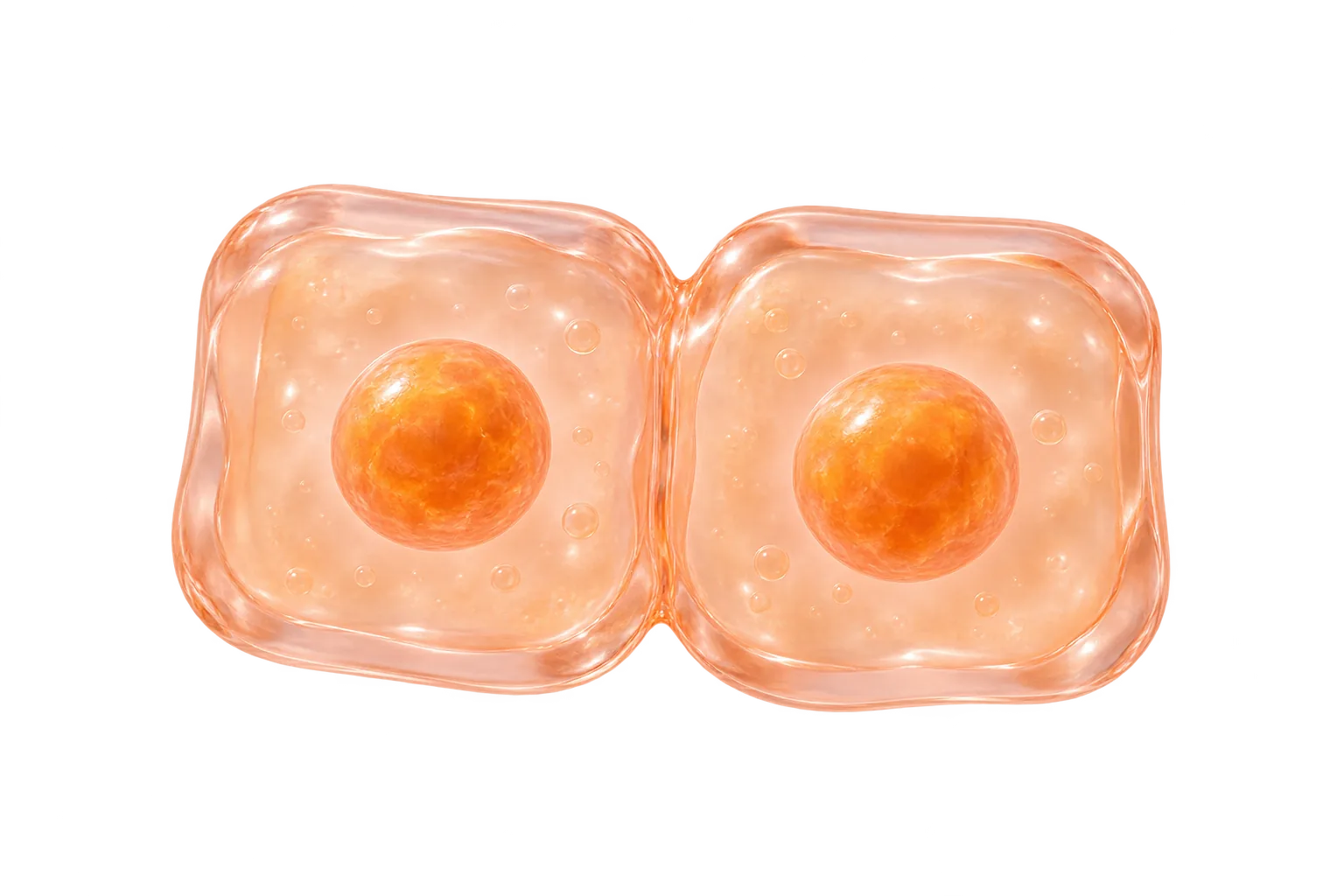
Interactions with immune, vascular and nerve cells are studied for their roles in repair and inflammation.

Involvement in inflammation

Involvement in tissue repair

Involvement in angiogenesis

Involvement in immune regulation

Involvement in cell survival
These diagrams illustrate possible mechanisms. Findings from research do not guarantee individual treatment outcomes.
The source cells help determine what their exosomes contain
Source cells are the cells that produce and release exosomes.
Autologous stem cell therapy uses your own cells. However, the composition and activity of their EVs can vary with source cell condition and culture conditions. How quality is assessed matters alongside the source.
These cells are alive and retain basic functions such as the ability to grow. Testing and checks during cell culture assess their function and signs of aging or stress.

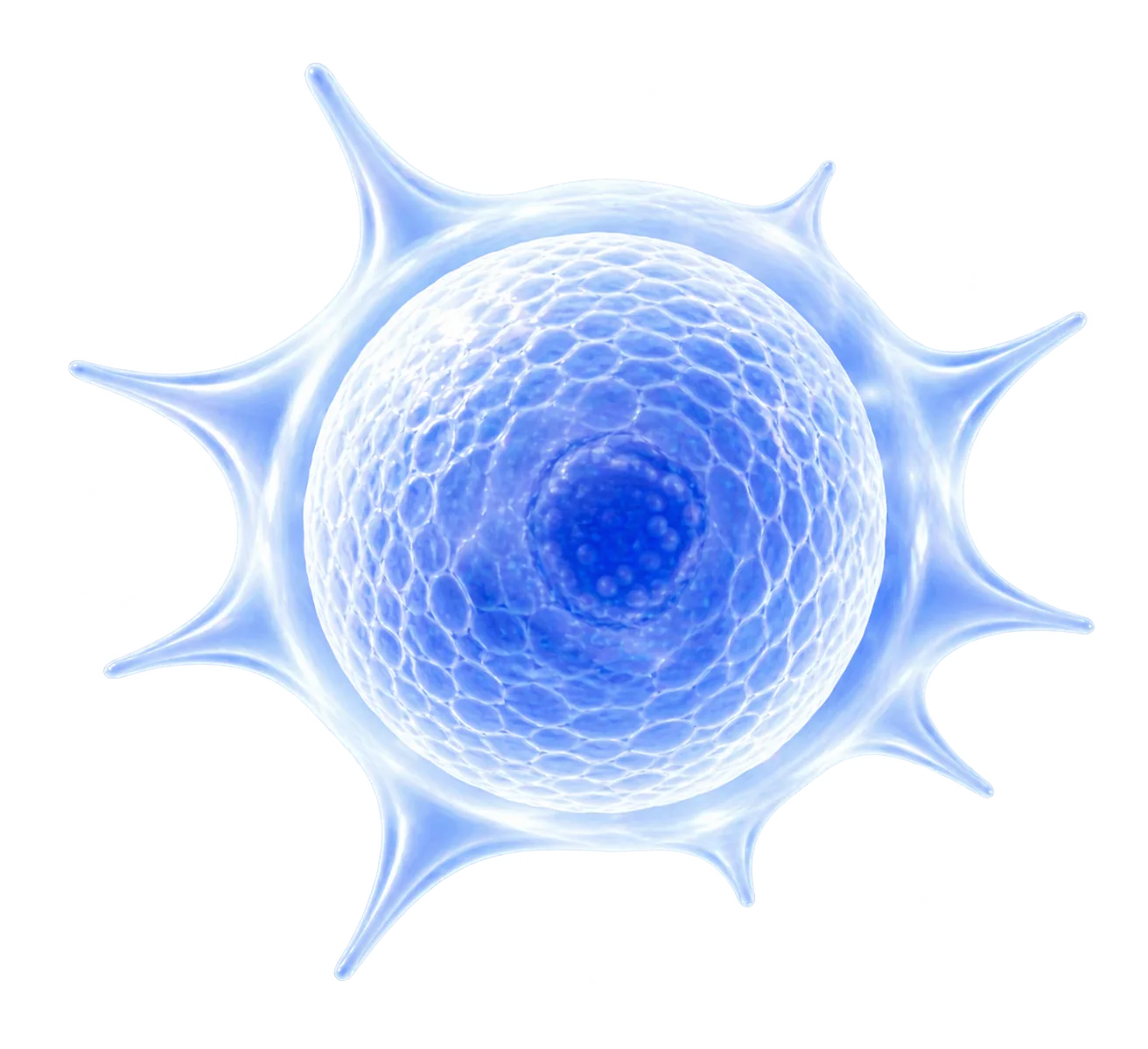
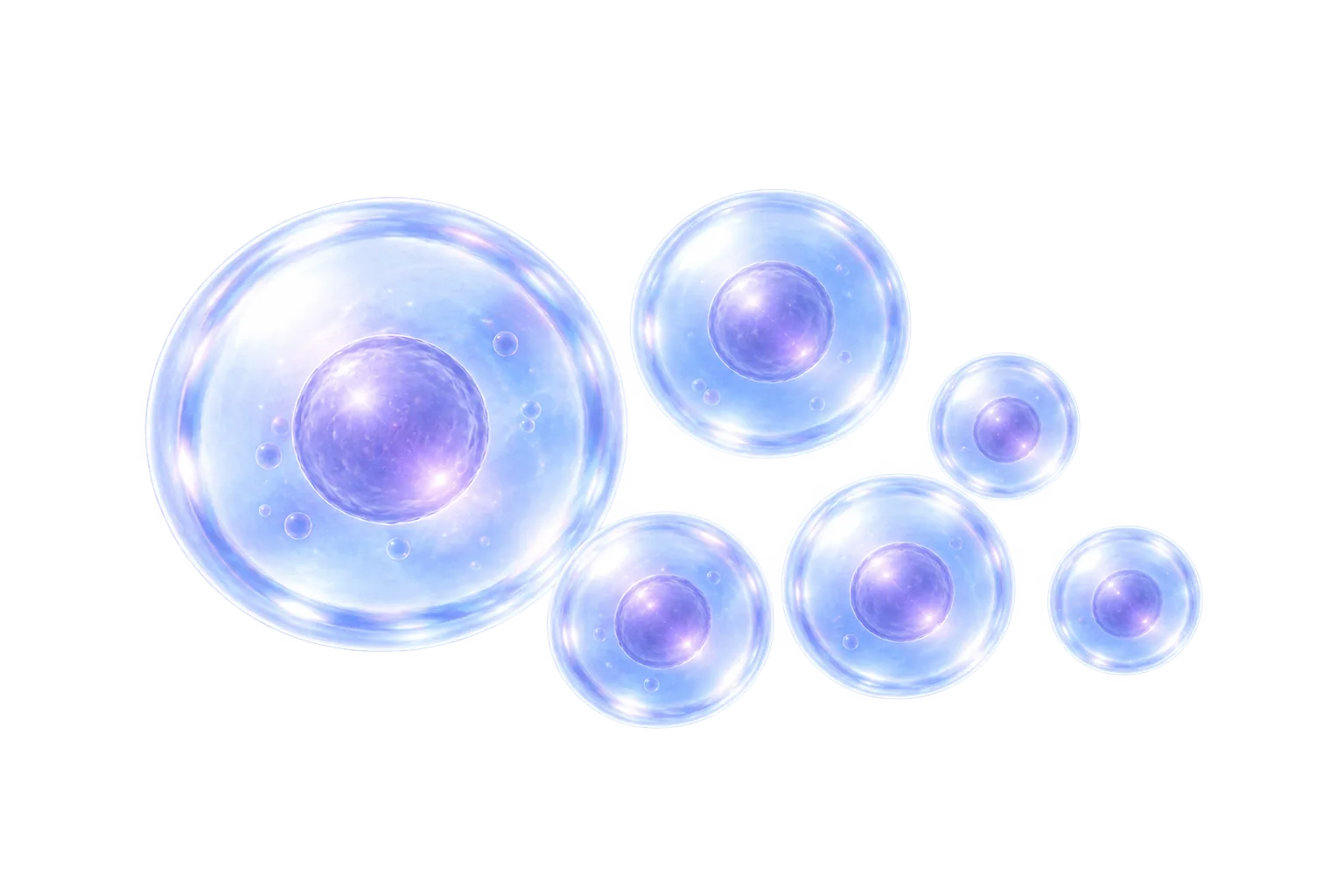
Information associated with tissue repair
Information associated with inflammation and immunity
A range of molecular components
Aging, inflammation or oxidative stress may affect how these cells grow and alter the substances they release.

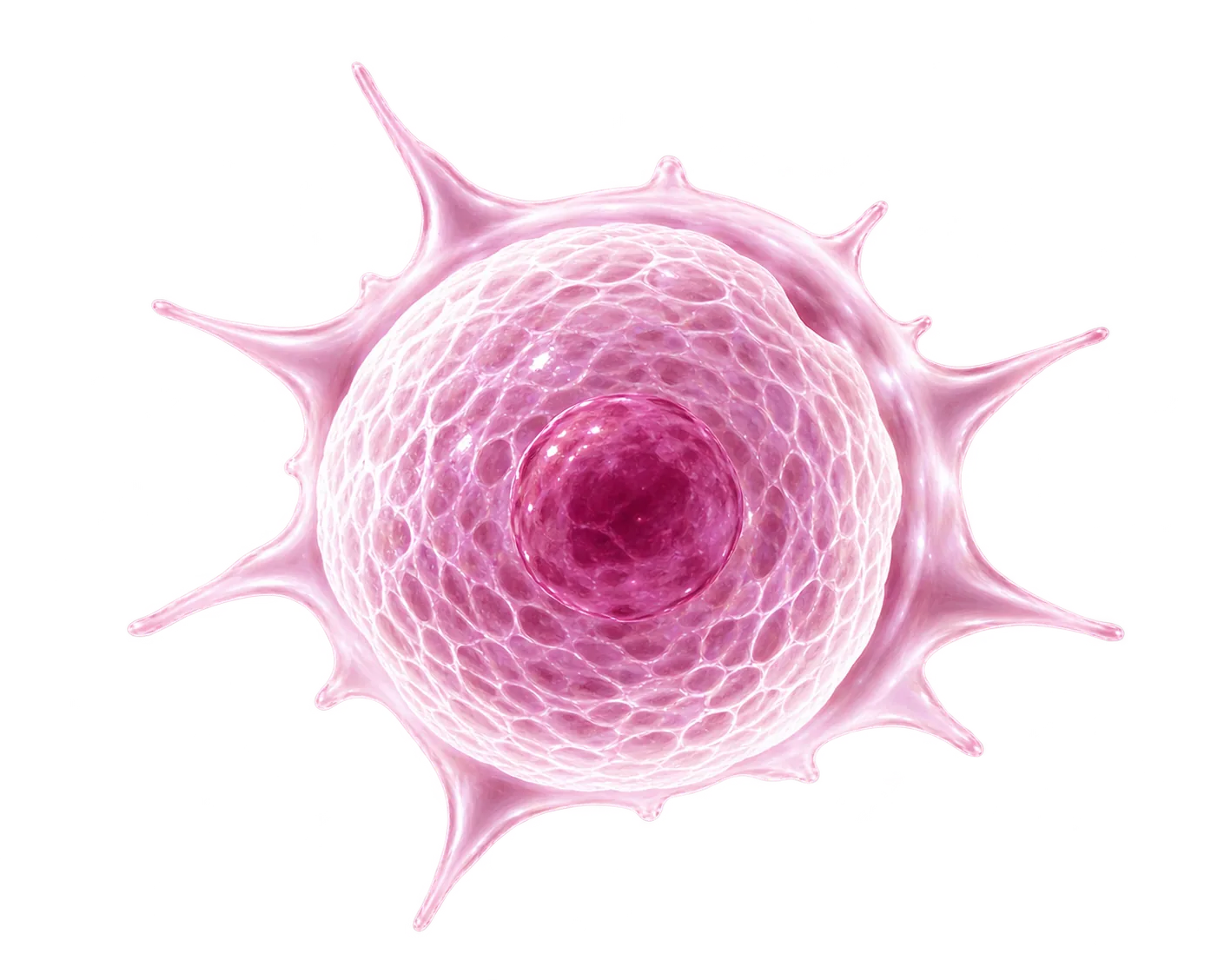
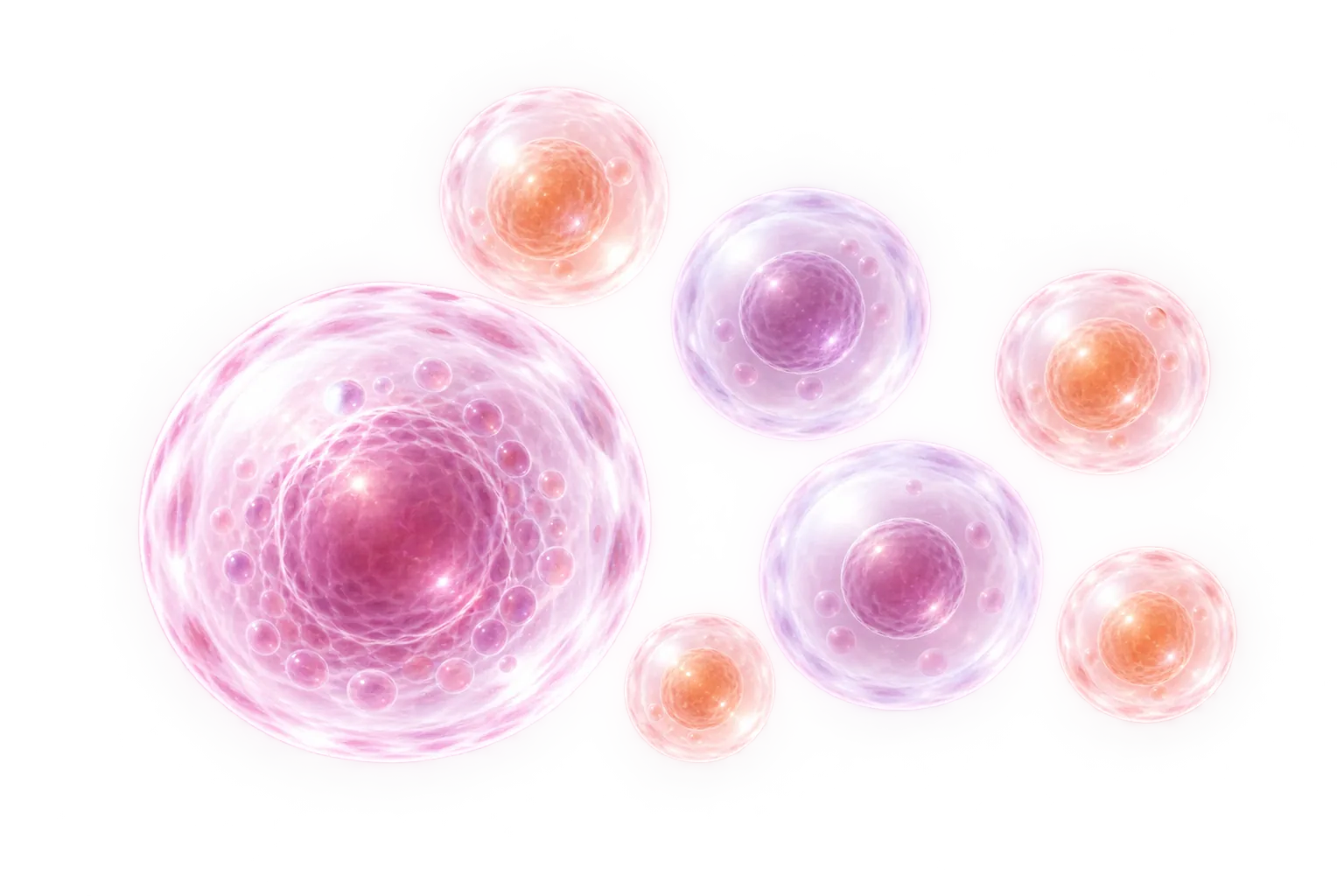
Composition and activity may change
Associations with inflammation and aging
Associations with fibrosis

These illustrations are conceptual. Age or medical history alone cannot determine cell quality or whether treatment is suitable for you.
Understand the collection process, cell culture, treatment and safety checks
Collecting cells from your own fat, culturing them and returning them to the body requires preparation and quality assessment. Here are points to check when considering treatment.
Cell characteristics vary with age, health and culture conditions. Ask how cell number, viability and quality are assessed after collection.

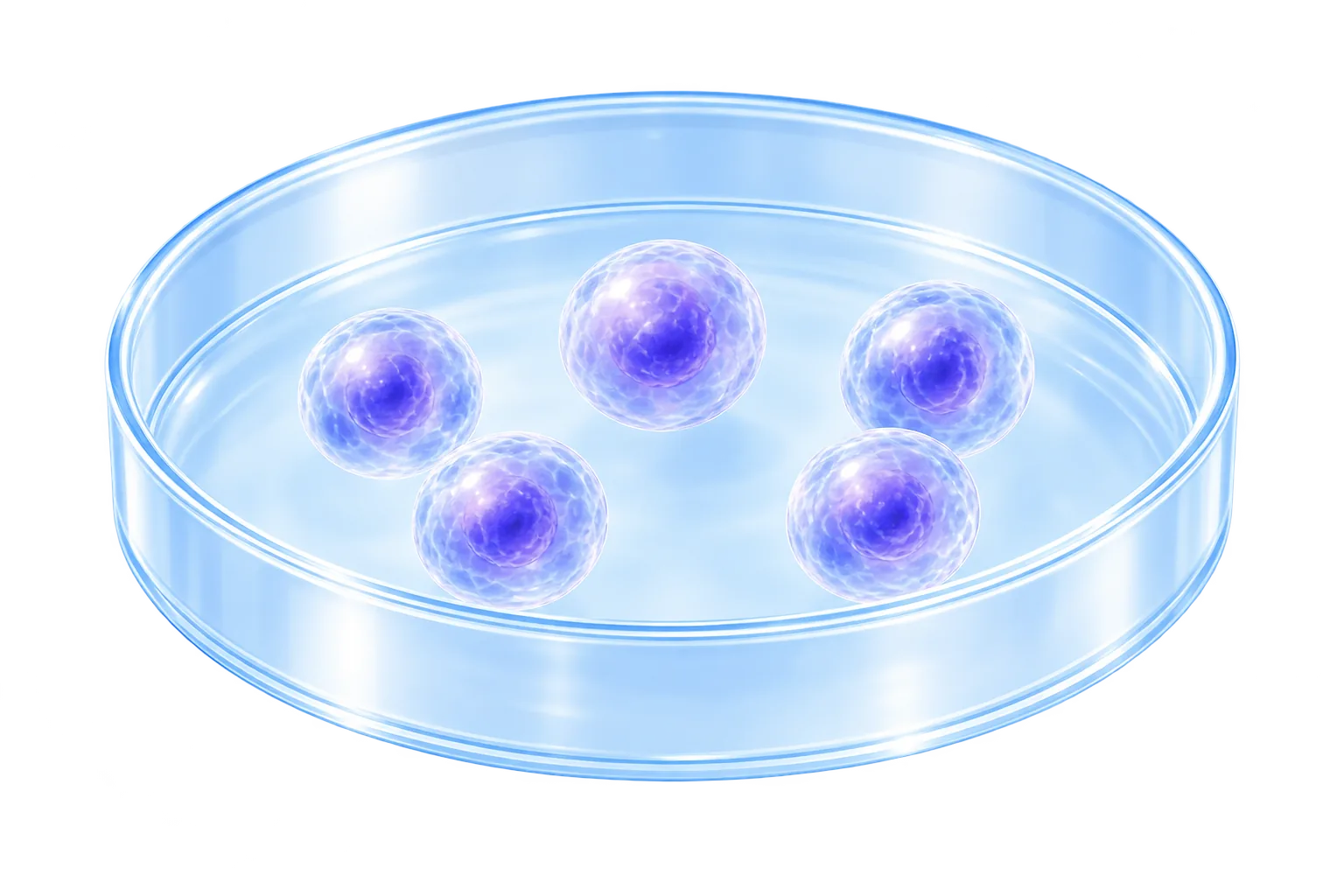
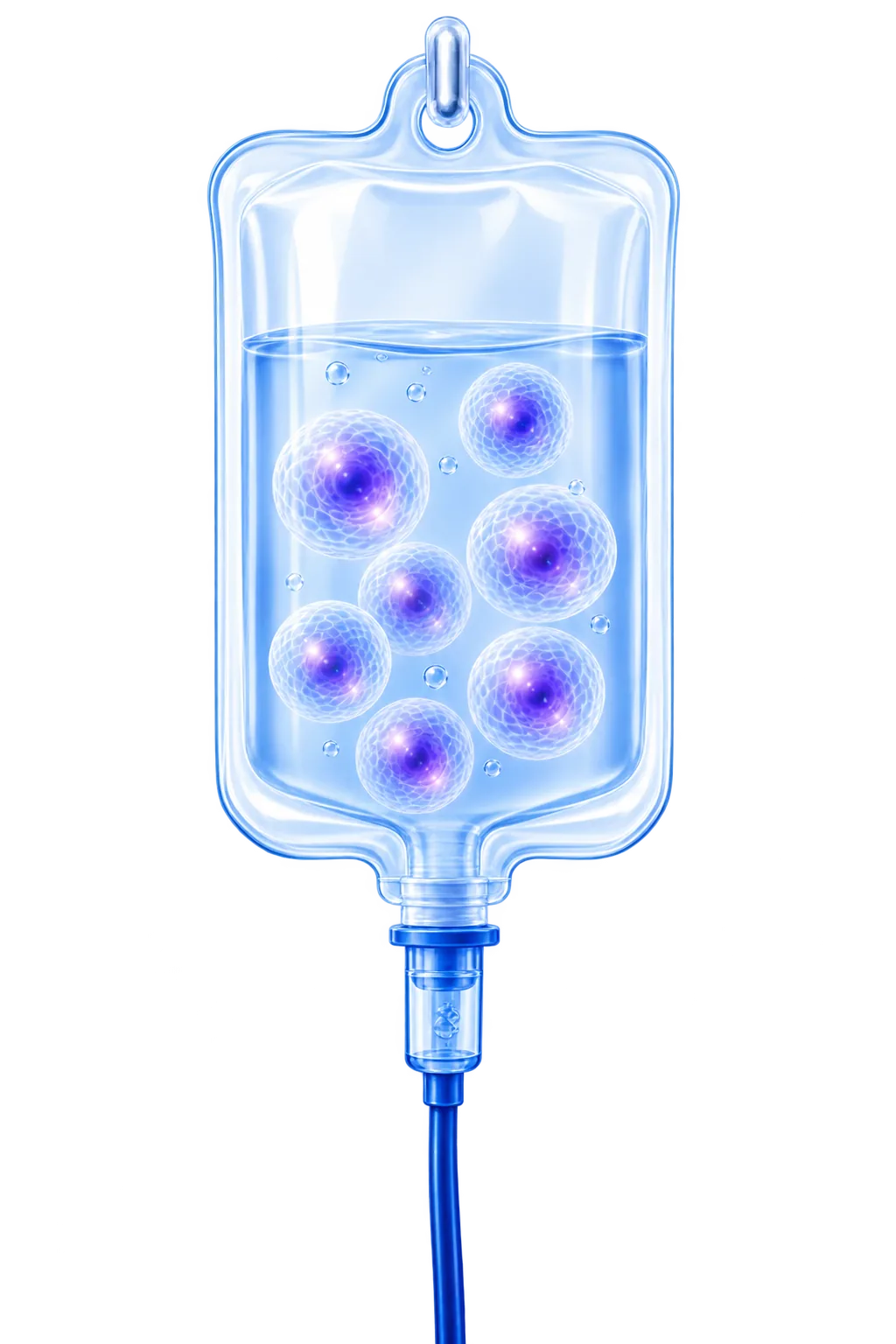
Check risks such as pain, bleeding and infection during collection, culture duration, quality control before administration and the schedule for ongoing treatment.
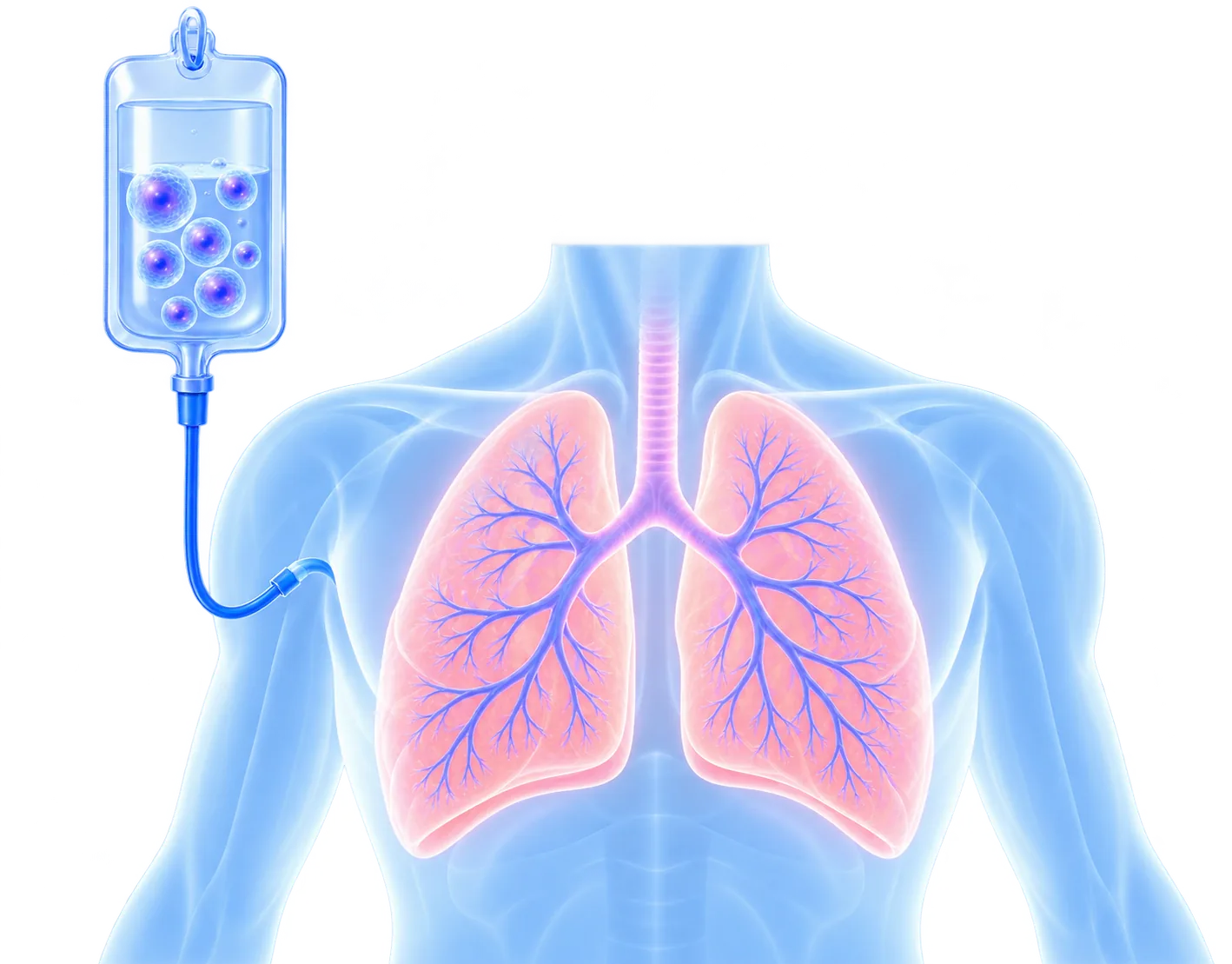
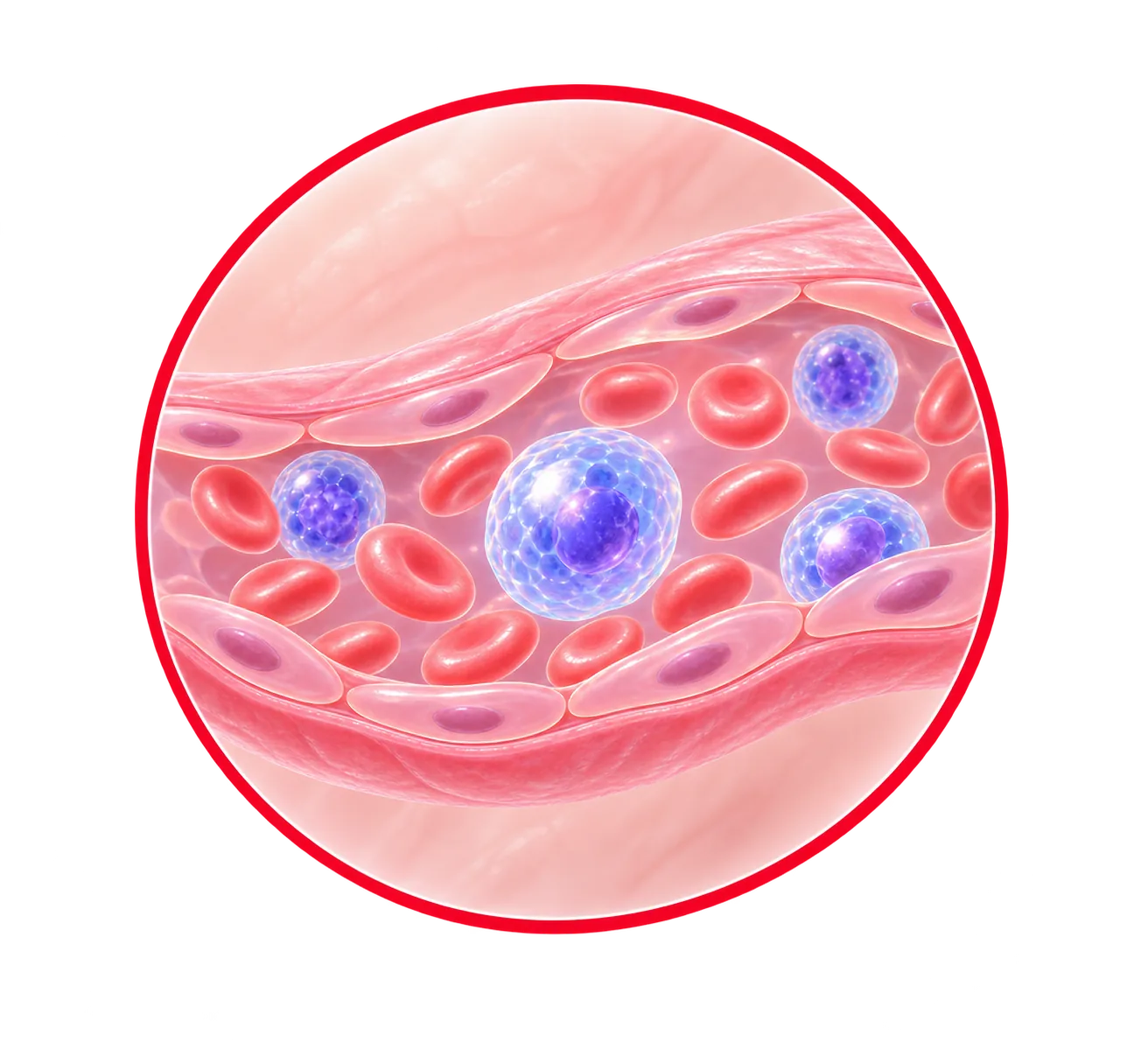
For intravenous cell administration, retention in small lung vessels and effects on coagulation are considerations. Assessment must reflect the method, cell number, rate and patient condition.

A case of sudden deterioration and death during adipose-derived stem cell administration has been reported in Japan.

Whether using your own cells or preparations from another source, check quality, administration methods and evidence relevant to the treatment goal.
Clinical evidence for the treatment goal
Quality management and infection control
Adverse effect information and emergency response
Assessing the amount, composition and proportions of BM-MSC-derived EVs
BM-MSC means bone marrow-derived mesenchymal stromal cells. EV is the collective term for extracellular vesicles; exosomes are one type. Source, particle count, molecular contents and analysis methods form the basis for understanding the preparation.
Cell therapy and treatment using cell-released components differ in what is administered and what should be checked.

Which cells produced the preparation?

How much is present?

What information is present?

Which biological functions are associated?
/vial
2.62 × 10¹² particles
Tumor Suppressor miRNA
These are results for the analyzed lot. The 88% is normalized by expression level within the classified subset of the top-100 miRNAs (about 53% of the total). Particle counts and proportions alone do not establish clinical efficacy or safety; 88% is not a cancer prevention or treatment success rate.


Cell repair
Inflammation

Immunity

Blood vessels

Nerves

Hormones

Reproductive function

Cancer-related
Literature and databases are used to explore functions associated with the miRNAs present.

Japan's Ministry of Health, Labour and Welfare has cautioned that exosome reagents have not been confirmed for quality, efficacy and safety when used for treatment. Confirm approval status and quality documents for the actual preparation during consultation.Japan Ministry of Health notice, 31 July 2024 ↗
Exploring links between miRNAs and biological functions
IPA (Ingenuity Pathway Analysis) compares molecular information with literature and databases to explore associations with biological pathways and functions.
Identify which miRNAs are present and their relative proportions.
These are general examples, not analysis results for the specific preparation.
Explore which functions are associated with that information.
Distinguish experimentally confirmed relationships from predicted relationships and evaluate the evidence accordingly.
Look beyond the numbers to the biological functions they may be linked to.
Cell repair
Inflammation
Immunity
Blood vessels
Nerves
Hormones
Reproductive function
Cancer-related
An association with a category does not establish a treatment effect in that category.

Understand what you receive before you decide
Stem cell and EV treatments have different characteristics. Consider your goals, suitability, quality, clinical evidence and risks with your doctor rather than judging by the source alone.
Treatment using your own cells
Treatment using components released by cells
Cells are collected from your own fat.
Check which cells produced the EVs.
Culture and quality checks are performed to obtain the required number of cells.

An EV preparation that has been manufactured and quality-checked is used.
Living cells themselves. Substances released by cells also contribute to their action.
EVs and other components released by cells, rather than living stem cells themselves.

Examine cell condition, culture conditions and administration methods.
Examine source, particle count, miRNA composition and analysis methods.



Discuss options with your doctor according to your goals and condition.
Tell us your goals, treatment history and preferences.
Request an initial consultation →Back to exosome treatment →This page is intended to help you understand your treatment options. The diagrams are conceptual and do not guarantee individual outcomes or safety. Discuss privately funded treatment costs, risks and any unapproved preparations during your consultation.